Dvele Site Prep & Utilities: The Sacramento Owner’s Guide
Site prep and utility work for a Dvele home in Sacramento typically runs $18,000 to $45,000 installed, depending on soil conditions, trenching depth, and how far your utility connections sit from the street. We stock the common Dvele-compatible components on our trucks and can usually have a crew on site within 3 to 5 business days after your written estimate is approved. Most Sacramento owners discover something’s wrong when a trenched line gets hit during landscaping, a utility stub wasn’t set to Dvele’s panel-mating spec, or a PG&E service upgrade stalls the whole project just before delivery day. You’re here because the foundation is set, the Dvele modules are on their way, and the ground work underneath it all isn’t cooperating.
If your site prep has already failed or utility rough-in was done to the wrong spec, don’t panic. We fix this exact situation regularly across the Sacramento region, and Troy Eastman has walked enough Dvele sites to know where the headaches hide before they become change orders.
Which Dvele Models This Applies To
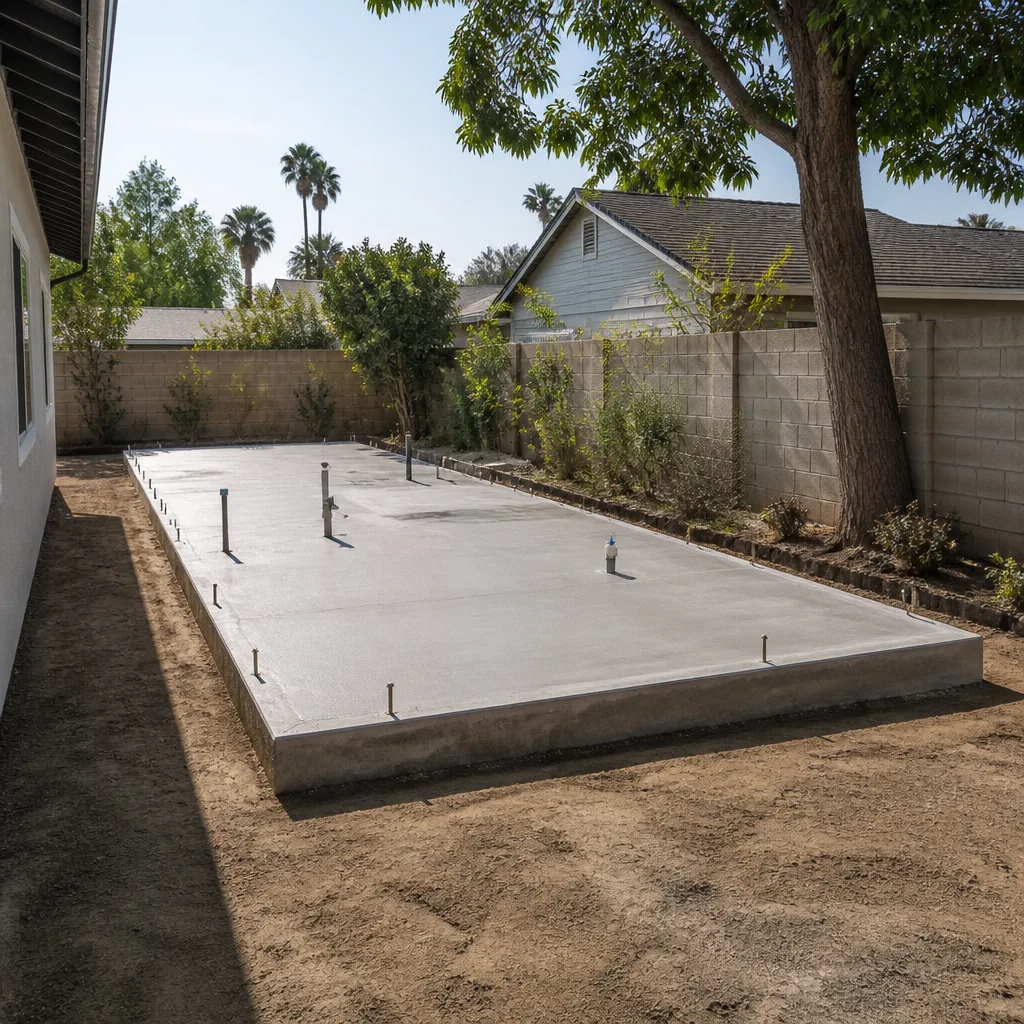
Dvele produces a few distinct home lines: the IQ series (often marketed as high-performance smart homes), the Adapt series focused on resilience, and custom single-family builds that share Dvele’s panelized wall and floor cassette system. The site prep and utility requirements follow the mechanical and electrical specs of the specific Dvele model you ordered, not a generic one-size-fits-all template. Your Dvele order documents will list the exact utility stub locations, sewer invert depths, and electrical service amperage the factory expects. If you don’t have that packet handy, the serial plate on your Dvele chassis frame and the stamped foundation drawing are the two identifiers that matter most.
One gotcha we see repeatedly in Sacramento: Dvele’s factory utility connections are built for precise floor-plan stubs, and site-built utility rough-ins that don’t match the panel layout get covered up before anyone notices. The fix is usually a trenching correction and a re-stub, which costs far less pre-delivery than post. For OEM versus aftermarket on Dvele site prep specifically: the utilities themselves (conduit, water line, sewer lateral, gas line) are not Dvele-manufactured parts at all. They’re spec’d by Dvele’s engineering team but sourced from standard California code-compliant suppliers. That means quality aftermarket materials are fine, as long as they meet the exact dimensions and amperage/flow ratings Dvele’s drawings call for. The real OEM-critical components are at the mechanical room connections, where Dvele’s prefabricated utility wall accepts specific fittings. Get those wrong and the crane setting goes sideways fast.
Signs Your Dvele Site Prep & Utilities Is Failing
- Sewer lateral back-pitching after trench settlement. Sacramento’s clay-heavy soil expands and contracts with our wet winters and dry summers, and a backfilled trench that wasn’t compacted in lifts will settle unevenly. You’ll notice slow drains throughout the home or gurgling at the lowest fixtures. This is a re-excavation and re-grade, not a snake-it-and-hope situation.
- Utility stub locations don’t match Dvele’s set-drawings. We arrive to check measurements and find the electrical panel feed is 18 inches off, or the water stub is set too shallow for the frost line Dvele specified. This usually happens when a previous contractor roughed in before the final Dvele drawings were released. The correction is measured, trenched, and re-stubbed before the modules arrive.
- PG&E or SMUD service upgrade stalls because the trench or panel pad wasn’t inspected in sequence. Sacramento utility inspections have specific sequencing rules, and a missed inspection means backfill removal, re-exposure, and a re-inspection fee. You’ll know because the utility won’t schedule your meter set. This one burns weeks off a timeline if ignored.
- Water main under-sized for Dvele’s fixture count and fire-sprinkler demand. Dvele’s homes are highly efficient, but they still need a correctly sized supply line. Low pressure at multiple fixtures or the sprinkler flow test failing at rough-in are dead giveaways. The line itself may need to be upsized from 3/4″ to 1″ or larger depending on the run.
- Gas line stubbed at the wrong depth or unprotected against Sacramento’s expansive soil movement. Our soil moves, and rigid gas lines with no flex allowance can stress at the connection points. You’ll smell gas near the stub or the pressure test will fail twice in a row. This is not a caulk-and-pray repair; it’s a proper re-stub with the correct flexible transition.
Replacement Cost & What’s Included
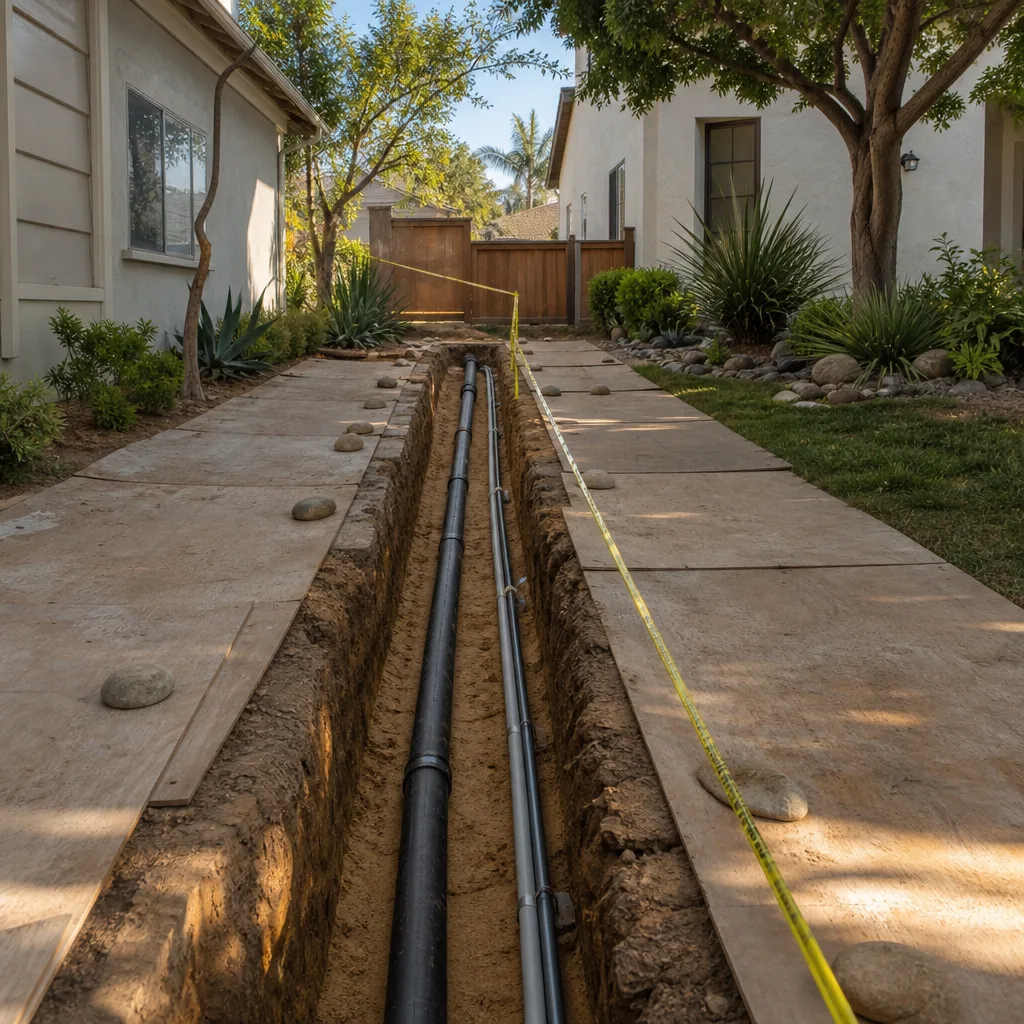
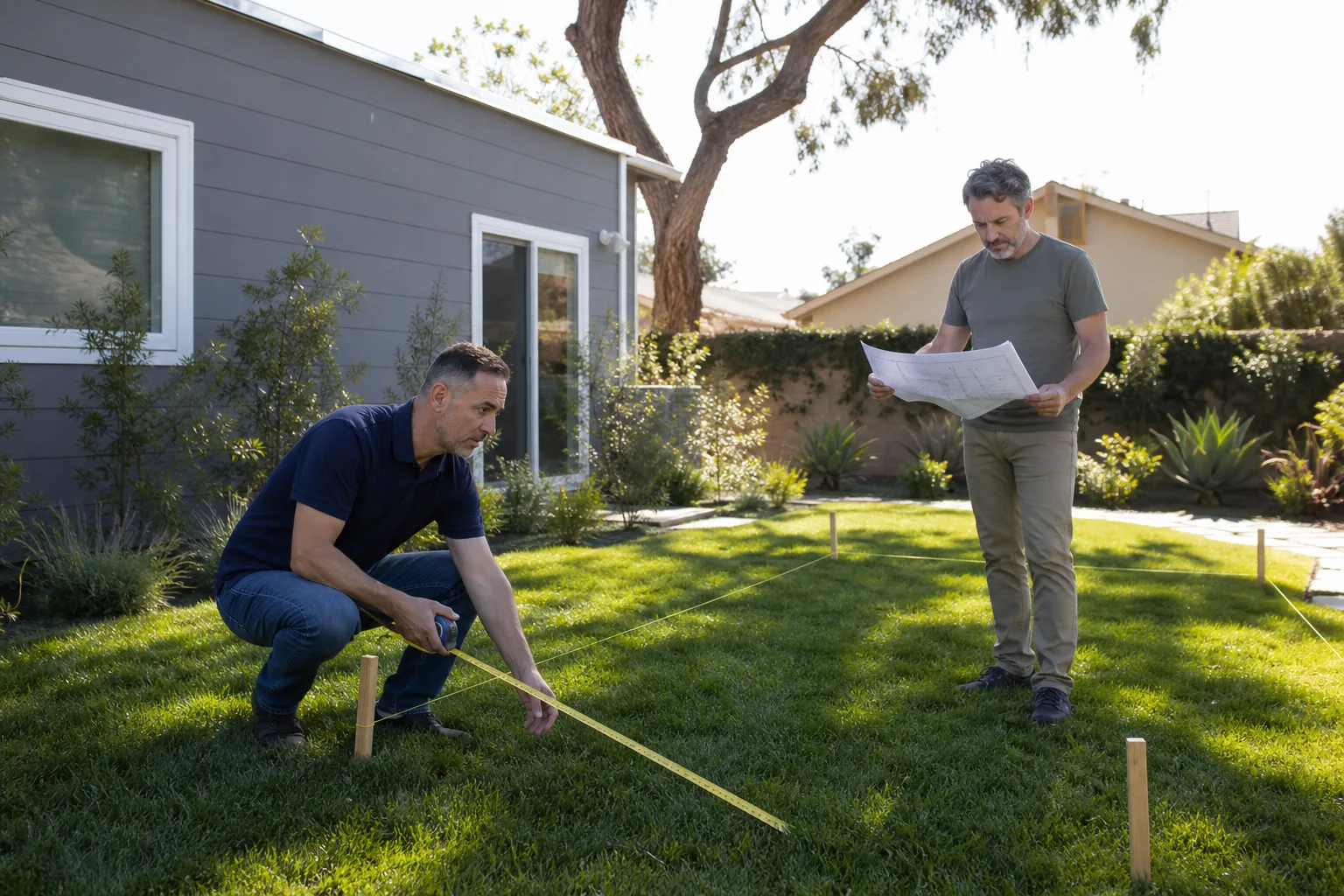
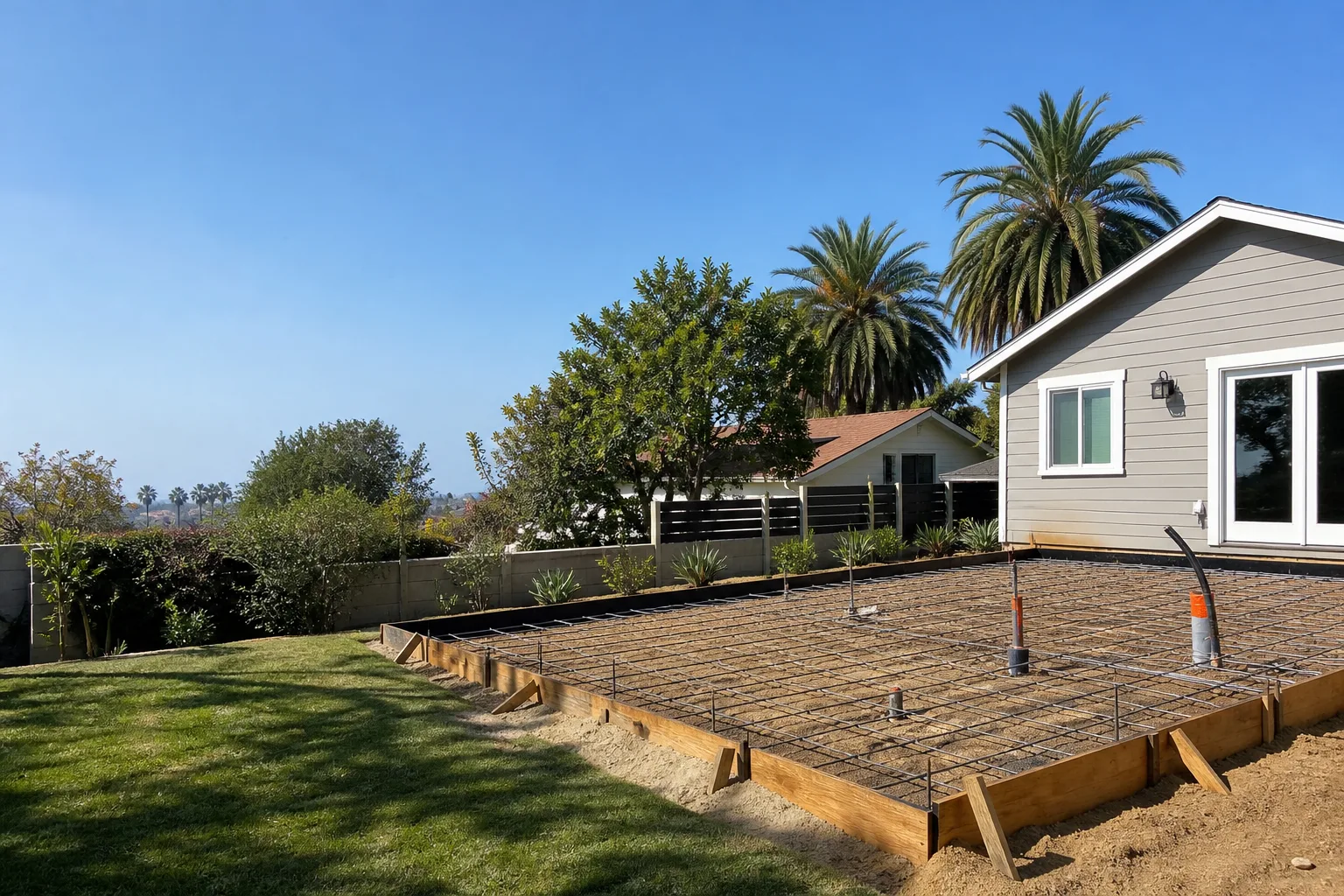
For a Dvele site prep correction or utility re-stub in Sacramento, most jobs land between $18,000 and $45,000. The low end covers a single utility correction, like re-stubbing an electrical conduit and re-inspecting. The high end is full site prep: excavation, grading, compaction, all utility laterals, PG&E or SMUD coordination, and a final compaction report. The biggest cost drivers are trench length from the street, soil conditions (rock or heavy clay add time), and whether the previous work was never inspected, which triggers re-exposure requirements from the city or county.
Everything in our bids is line-itemed: labor, materials, permitting, utility fees, and equipment. You get a written price before any work starts, and it does not change unless the scope changes and you approve it in writing first. The work carries our 365-Day Done Right Promise, which means if the trench settles, the stub shifts, or any covered part of our site prep fails within a year, we come back and fix it. No invoice, no debate. Benson ADU Sacramento is an independent service provider and not affiliated with Dvele, but we’ve been through their spec sheets, their set-day choreography, and their tolerance checks enough times to know what the factory will and won’t accept.
DIY or Call Us?
Call us. Site prep and utility work involves trenching up to and sometimes past four feet deep, gas lines under pressure, electrical service feeds, and sewer laterals that have to hold grade to the inch. A collapsed trench can kill. A nicked gas line can kill a block. This is not a weekend YouTube project, and anyone who tells you otherwise is selling you a shovel. The genuinely dangerous parts here are the trench itself, the gas connection, and any work near live electrical feeders. If any of those are involved, a trained professional with the right shoring equipment and utility locates is not optional.
What you can do safely: read your Dvele order documents, check that utility markers match where stubs were set, and photograph everything before backfill. If something looks off, call us at (279) 254-1808. We’ll send a uniformed, background-checked tech to walk the site with you and give you an honest read, whether that’s “it’s fine” or “we need to re-trench before the modules arrive.”
FAQs
Properly installed site prep and utilities in Sacramento should last 50 plus years for sewer and water lines, and 30 to 50 for electrical conduit, but the soils here are clay-heavy and expansive, which means improper compaction will show itself within the first 12 to 24 months. The 365-Day Done Right Promise covers that first-year settlement window in writing. If your site prep was done correctly, the first big maintenance milestone is likely the water heater or mechanical equipment, not the ground work. Call us at (279) 254-1808 if you’re seeing settlement cracks, slow drains, or low pressure.
Yes, in roughly 60 to 70 percent of cases, the failure is isolated: one utility was set at the wrong depth, one trench settled, one inspection was missed. A targeted repair with re-inspection is far cheaper than a full re-do. If multiple utilities were set wrong or the compaction report shows widespread settlement, replacement is the honest recommendation. Either way, the written estimate tells you exactly what’s wrong and what the fix costs.
Most corrections take 2 to 5 working days from the time we start digging: excavate, correct, re-inspect, backfill, and compact. Full site prep for a bare lot runs 1 to 2 weeks depending on trenching distance and soil conditions. The schedule gets put in writing before work begins, and every day we’re on site, you’ll know what’s happening and when we’re done.
We stock the common Sacramento-compliant utility components Dvele’s drawings spec: conduit sizes, meter-main panel pads, sewer laterals, water line materials, and the mechanical room transition fittings Dvele expects on set day. If a specific fitting has to be ordered, we tell you before you sign, with the exact ETA and cost on the line-item estimate. We also work with Abodu and Cover systems, so the same stock bench covers those brands when the job calls for it.
Get the site prep right and the Dvele set day is boring, in the best possible way. If you’re seeing any of the warning signs above, call (279) 254-1808 for a free, written estimate. Every promise in writing before a single shovel turns.
Written by Troy Eastman, Owner & Lead Builder, Benson ADU Sacramento at Benson ADU Sacramento, serving Sacramento and nearby areas.