Cover Site Prep & Utilities: The Sacramento Owner’s Guide
Site prep and utility work for a Cover unit in Sacramento typically runs $12,000 to $38,000 installed, and we stock the common components on our trucks for fast scheduling. That number covers excavation, grading, foundation pads, trenching, and the utility laterals for water, sewer, and electrical that get your Cover module connected and livable. Most owners discover they need this work done when a contractor or inspector flags their existing utilities as undersized, or when the ground itself refuses to cooperate – which, in Sacramento’s clay-heavy soil, happens more often than you’d think.
Here’s the thing most people don’t realize until they’re standing in a dug-up backyard: site prep isn’t one part. It’s a sequence. Get the grading wrong and your drainage fails a year later. Undersize the electrical feeder and your panel trips whenever the AC kicks on in July. We’ve been building ADUs across the Sacramento region for years now, from quiet cul-de-sacs in Midtown to backyard conversions a block from McKinley Park, and the site work is where projects quietly go over budget if nobody’s watching. We watch it closely. Every promise in writing before a single shovel turns.
Which Cover Models This Applies To
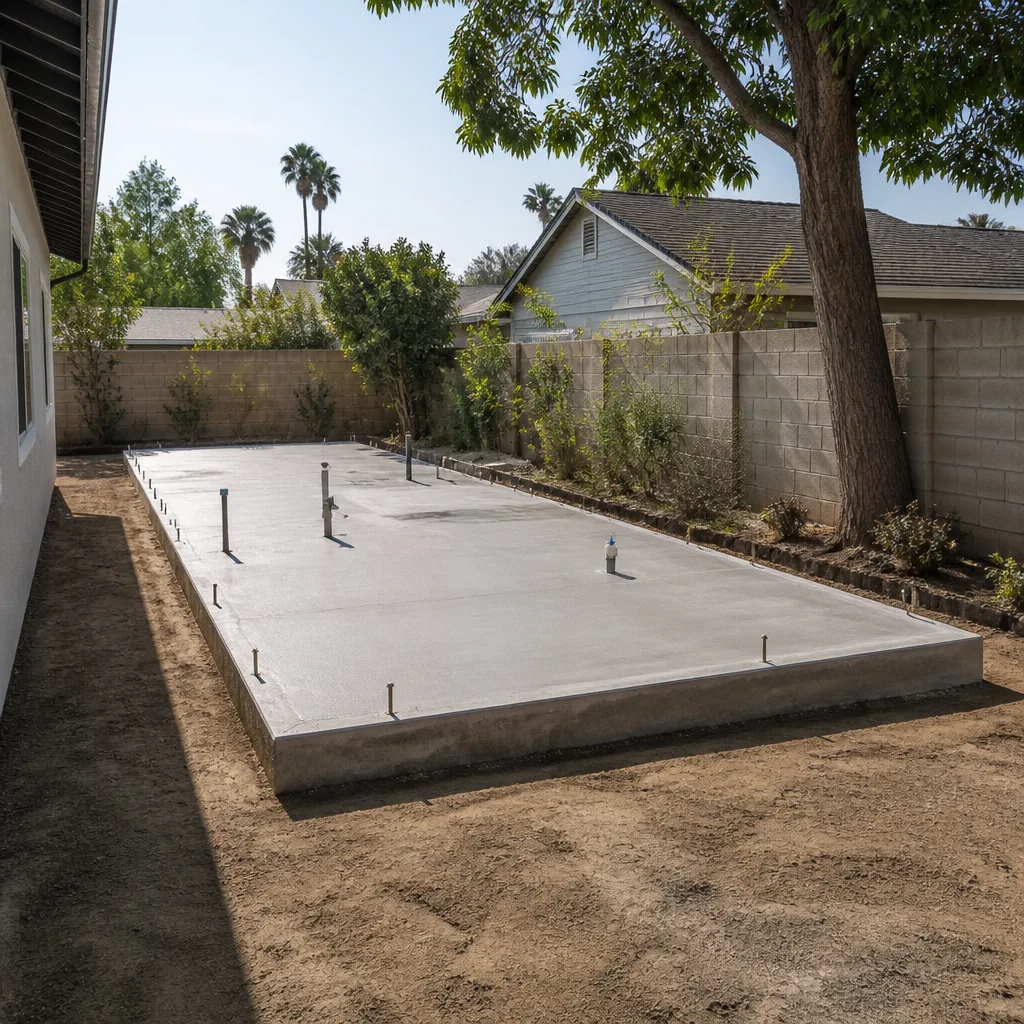
Cover builds their units as panelized prefab systems, which means the site-prep requirements are fairly consistent across their model lines – but not identical. The original Cover S series, the slightly larger Cover 1 and Cover 2 configurations, and any custom-length variants all sit on the same fundamental approach: a compact footprint designed for urban and suburban lots, a shallow foundation requirement that keeps excavation costs down, and utility connection points that are pre-located during manufacturing so the site work matches the unit, not the other way around.
The compatibility gotcha for Cover, and honestly for most panelized prefabs, is that your site utility locations need to be verified against your specific unit’s approved permit drawings, not the sales brochure. We’ve seen the rough-in locations differ by as much as 18 inches between a standard Cover unit and one with a custom utility configuration. The way to identify exactly what your unit needs is on the foundation plan sheet in your permit set – it lists the exact stub-out locations, the required electrical service amperage (most Cover units want a 100-amp subpanel fed by a properly sized main panel), and the sewer invert depth. If you’re deciding between OEM-supplied site specifications and a contractor working from field measurements alone, trust the drawings. That’s the OEM document for site work. No aftermarket equivalent exists for the utility interface itself – it’s not a replaceable widget so much as a coordination problem, and the right answer is always “match the drawings, verify with the unit’s data plate.”
Benson ADU Sacramento is an independent service provider and not affiliated with Cover, but we build with their units regularly alongside other panelized brands like Abodu and Dvele, so we know how their specs translate to Sacramento dirt.
Signs Your Cover Site Prep & Utilities Is Failing
- Water pools near the foundation after rain. Sacramento’s clay soil drains slowly, and if the original grading wasn’t sloped correctly, you’ll see standing water within a day of a storm. Left alone, that water finds its way under the slab and starts eroding the pad support. It’s the most common site-prep failure we see on older ADU installations.
- Low water pressure inside the unit that isn’t explained by city pressure. This usually means the supply lateral was undersized at install or has a kinked line at the connection point. Cover’s plumbing system is efficient, but it can’t compensate for a 3/4-inch feed where a 1-inch line should have been run.
- Breakers in the main panel trip when the Cover unit pulls a full load. This is an undersized feeder or an improperly torqued connection at the subpanel. Sacramento summers push AC units hard, and that’s when weak electrical work shows itself. If your main breaker trips whenever the unit’s heat pump and a couple of appliances run together, the site electrical work wasn’t sized right.
- Sewer smells or slow drains after the unit’s been occupied a while. In flat Sacramento lots, sewer lines sometimes don’t have the minimum slope required. That means solids settle in the pipe and eventually restrict flow. It’s not a Cover defect; it’s a site-prep issue with the lateral.
- Concrete pad showing cracks wider than a hairline within the first two years. Some settling is normal in Sacramento’s expansive clay, but anything over a quarter-inch wide or any vertical displacement between slab sections suggests the subgrade wasn’t compacted properly or the pad wasn’t reinforced to spec for the soil conditions.
Replacement Cost & What’s Included
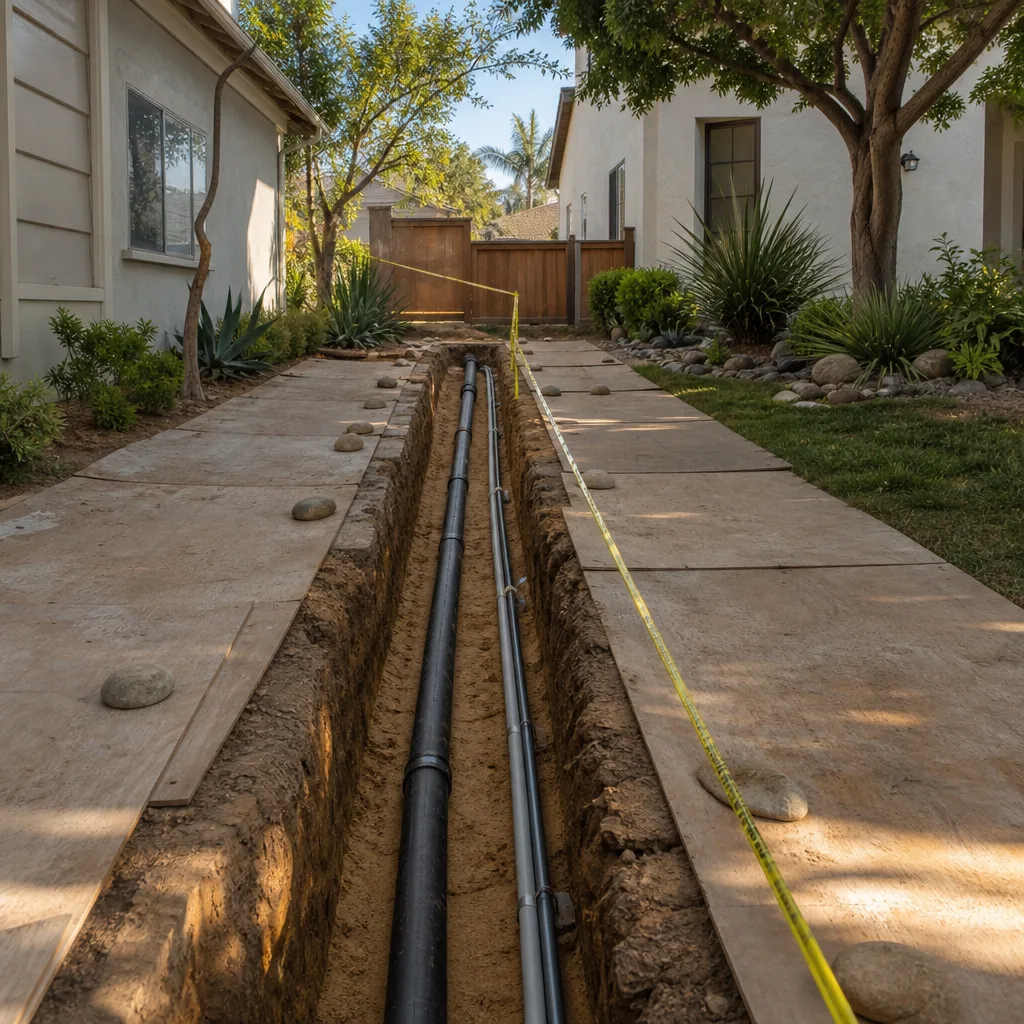
Let’s get concrete. For a typical Cover site prep scope in Sacramento, here’s the price breakdown we’d put in writing:
- Excavation and grading: $1,800 to $4,500 depending on access, soil, and how much of the existing yard needs correction.
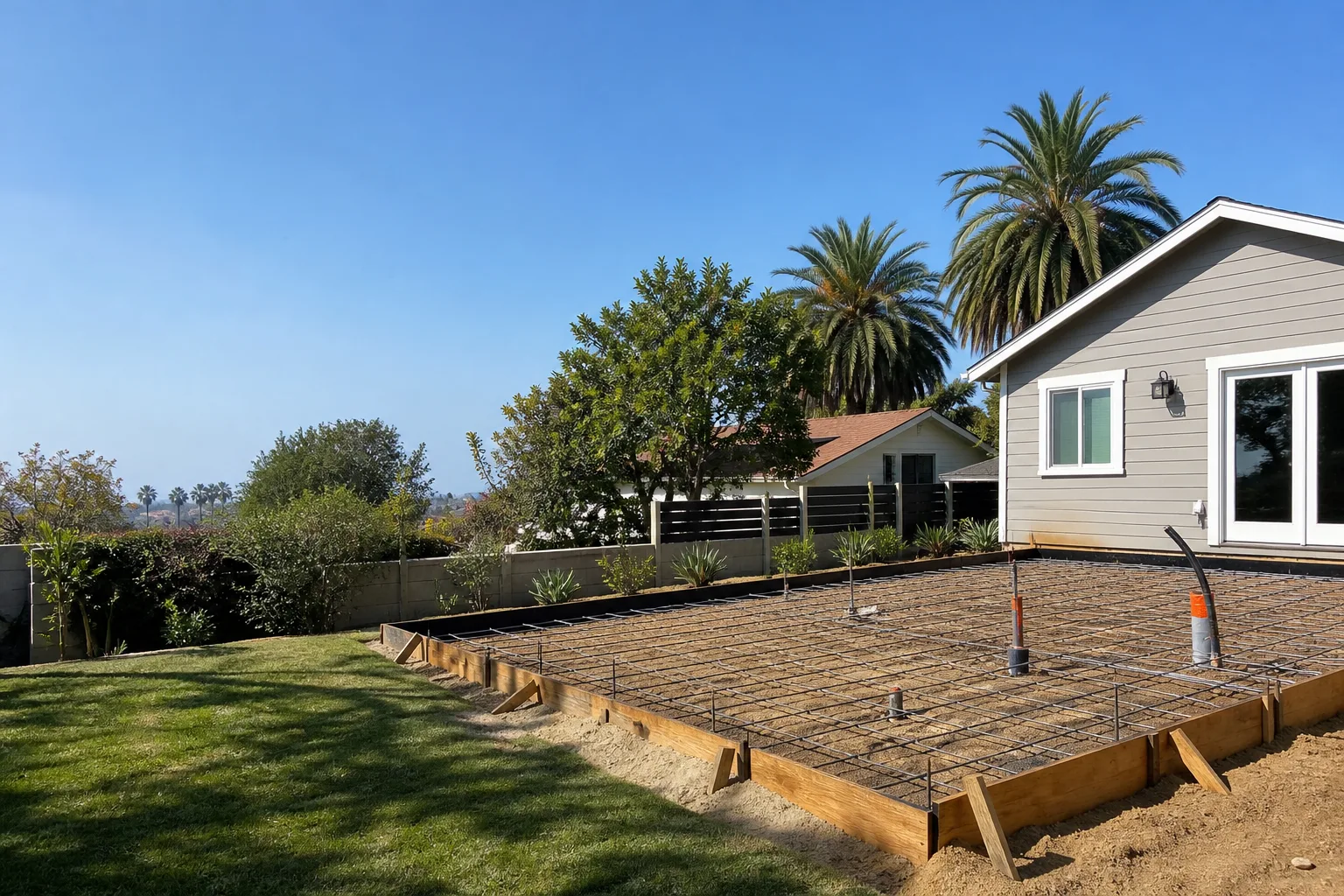
- Foundation pad or piers (per Cover spec): $5,000 to $12,000 including materials, forming, reinforcement, and pour. Some Sacramento yards with heavier clay need deeper overdig and more compacted base, which pushes this toward the upper end.
- Utility trenching and laterals (water, sewer, electrical conduit): $3,200 to $8,500. Distance from the main house is the biggest cost driver – every foot of trench has a price, and in older Sacramento neighborhoods, we sometimes hit old clay sewer lines or abandoned conduits that slow us down.
- Electrical panel upsizing or subpanel install: $1,800 to $5,500. If your main panel is already maxed out, which happens more often than homeowners expect, this line item grows.
- Site restoration (backfill, compaction, basic landscaping repair): $1,000 to $3,500.
Total: $12,000 to $38,000, with most Sacramento Cover projects landing between $16,000 and $26,000. What’s included in our price: written line-item quote before any work starts, all needed permits pulled, inspections passed, the trench backfilled and compacted, and a 365-Day Done Right Promise on every part of the project. The price won’t change at the door unless you change the scope. That’s the Relay Visibility Guarantee, and we stamp it on every job in writing.
DIY or Call Us?
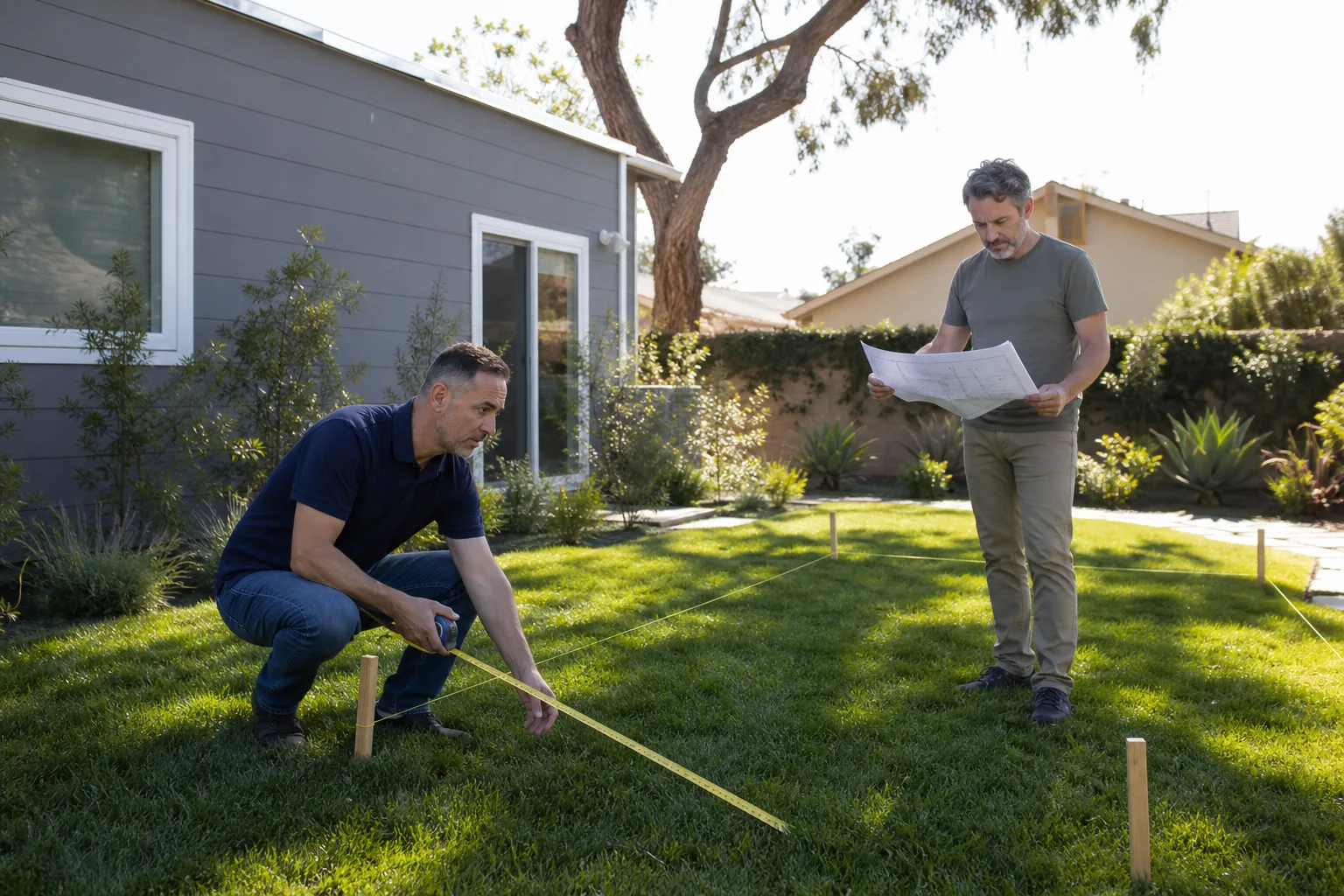
Here’s the honest split. There are things you can safely do yourself: walk your site after a rain and note where water pools, check your panel to see if it has open breaker slots, look up your water meter size. That’s about where safe DIY ends. Trenching for electrical laterals means digging near live utility lines, and that’s not something to learn on the job. Gas line connections, if your Cover unit calls for them, are absolutely not a homeowner project – a bad gas connection is dangerous. Even the excavation has rules: Sacramento requires utility markings before any dig over 12 inches deep, and hitting an unmarked line puts the repair bill on you.
We’ve also seen homeowners try to save money by grading the site themselves and then have to pay twice when the pad doesn’t drain. If you want us to look at your site and tell you what actually needs doing, call (279) 254-1808. The estimate is free, and we’ll put the price in writing whether you hire us or not.
FAQs
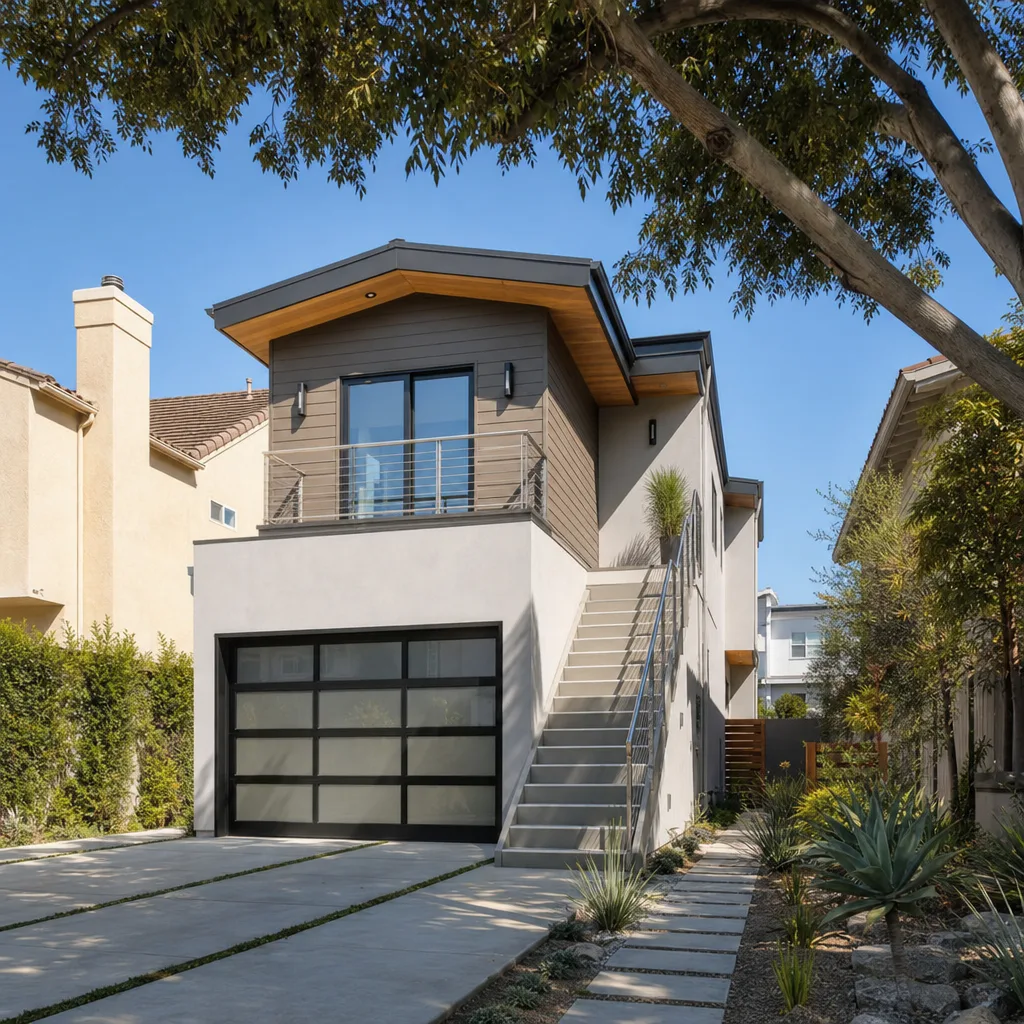
Properly done site prep should last the life of the structure, which for a Cover ADU means 50 years or more for the foundation and laterals, assuming normal Sacramento soil conditions and no major drainage changes on the property. The electrical and plumbing connections themselves will degrade eventually, but the site work supporting them shouldn’t be the thing that fails first. In Sacramento’s expansive clay, the most critical window is the first two years – if the pad hasn’t cracked or settled unusually by then, it’s almost always stable long-term. Call (279) 254-1808 and we’ll come look at your specific site before anything breaks.
Depends what failed. Drainage issues can often be corrected with regrading, french drains, or swales without touching the foundation. A settling pad can sometimes be stabilized with piering or mudjacking, but if the subgrade wasn’t compacted properly, partial redo is the honest answer. We’ll tell you which one you’re looking at before any work starts. Call (279) 254-1808 for a free assessment.
Most Sacramento Cover site prep and utility scopes take 4 to 10 working days depending on excavation depth, trenching distance, and inspection scheduling. Weather can add a day or two – Sacramento’s rainy season is short but intense, and concrete won’t pour properly in a downpour. We’ll give you a start and finish date in writing before the first load of gravel arrives. Call (279) 254-1808 to get a timeline for your property.
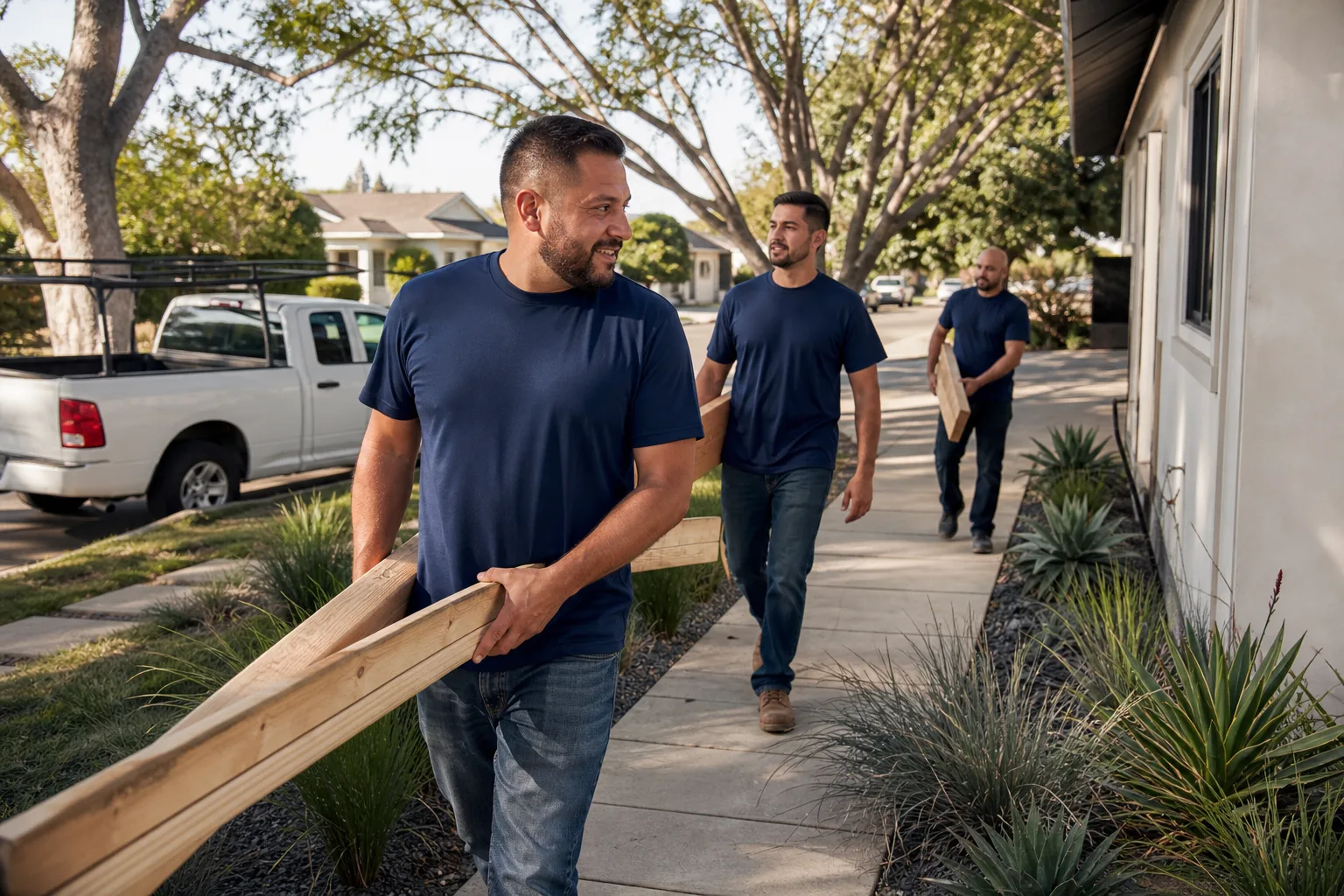
Most site-prep components – conduit, trenching materials, pad forms, standard electrical panels – are on our trucks or sourced locally within a day. Cover-specific connection details come from your approved plan set, so there’s rarely anything to order from the manufacturer itself. If we do need something custom, we’ll tell you on day one and it goes into the written price. Questions about what your unit needs? Call (279) 254-1808 and ask for Troy – he’ll walk you through it.
If you’re adding a Cover ADU in Sacramento and the site work is the last thing standing between you and a finished unit, let’s talk. We’ll walk your property, identify exactly what your specific unit needs from the approved drawings, and hand you a written price before a single shovel turns. That’s how we’ve earned our reputation across Sacramento, and it’s how we’ll earn yours. Call (279) 254-1808 today or reach out through our website to schedule your free on-site estimate.
Written by Troy Eastman, Owner & Lead Builder, Benson ADU Sacramento at Benson ADU Sacramento, serving Sacramento and nearby areas.