James Hardie Site Prep & Utilities: The Sacramento Owner’s Guide
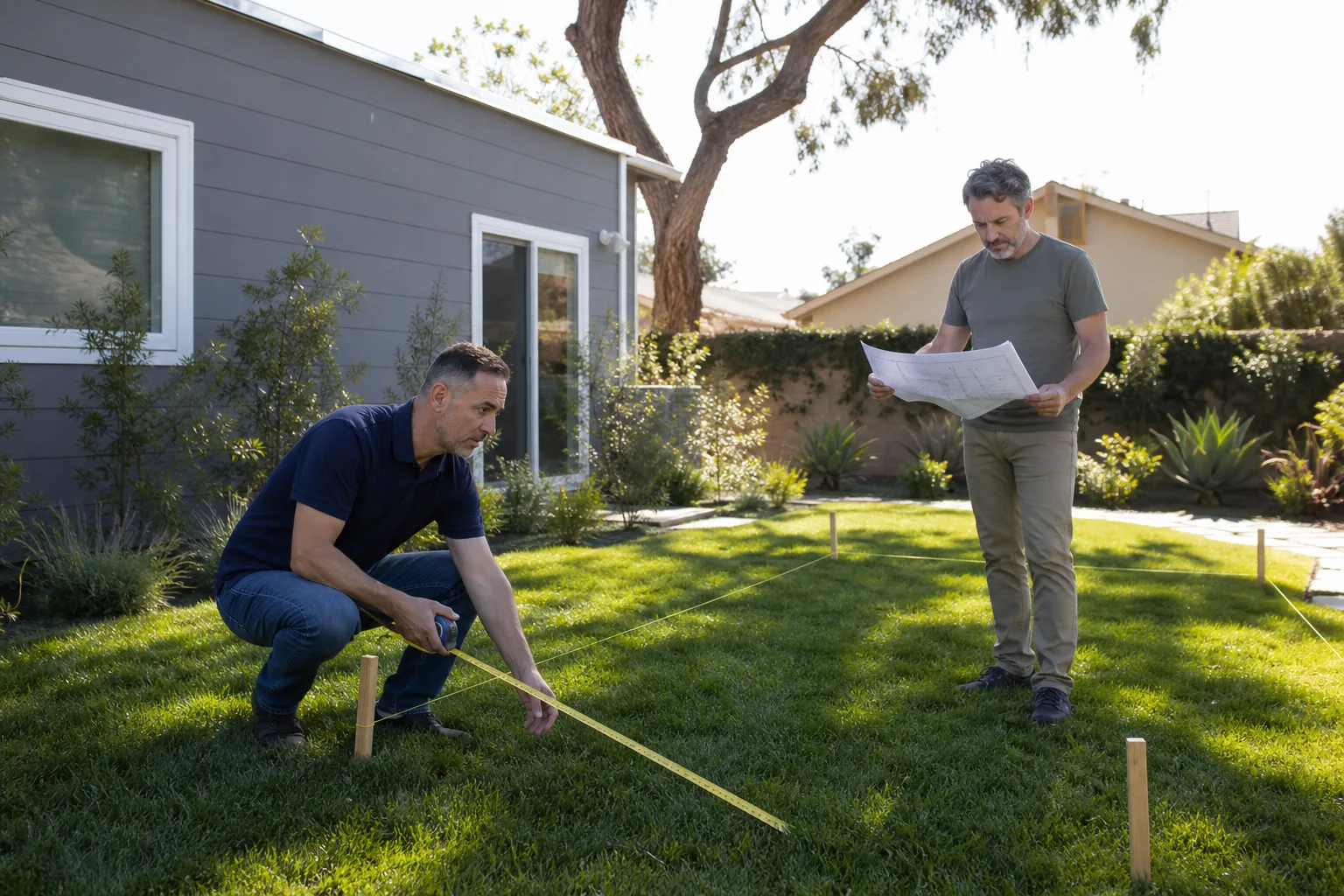
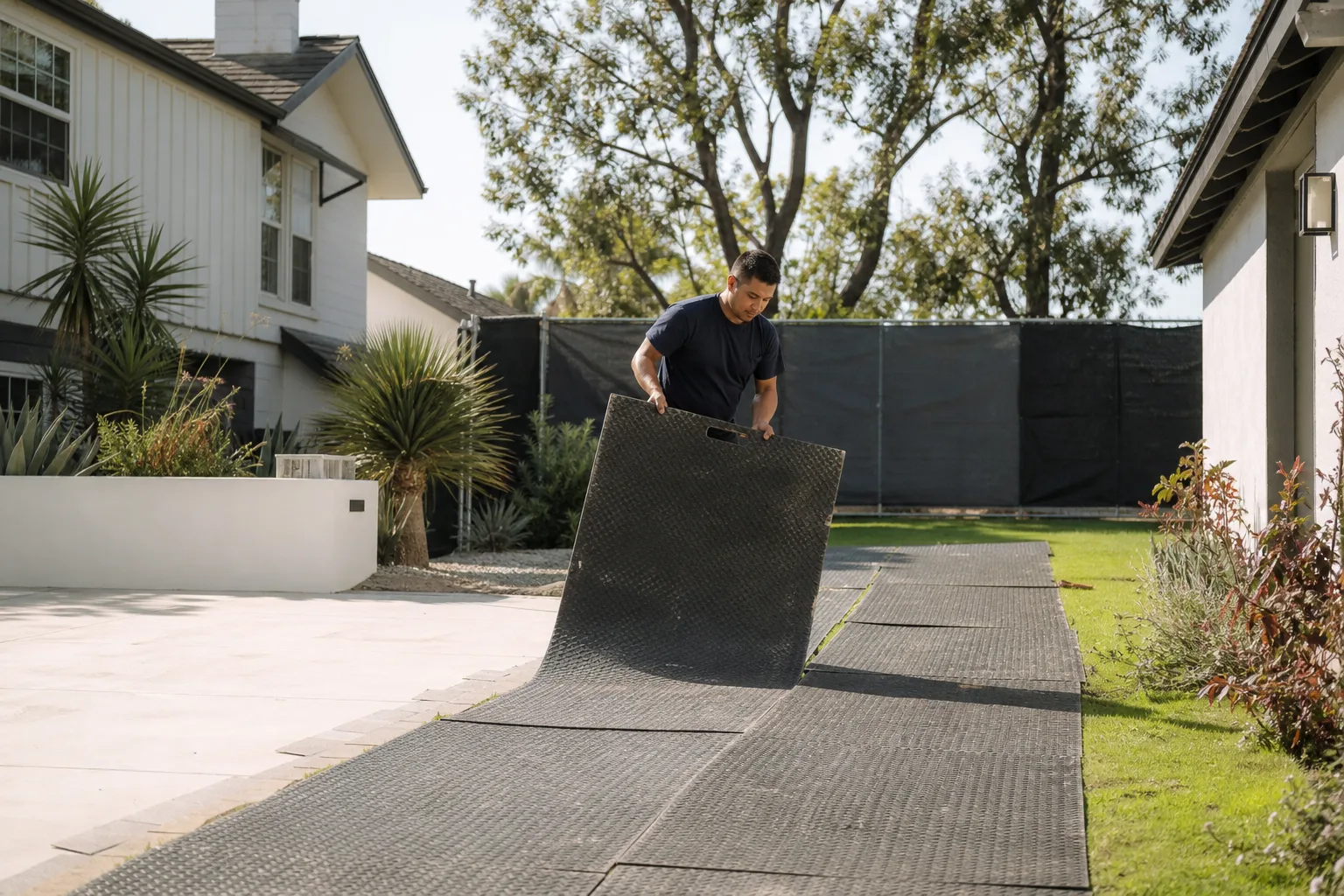
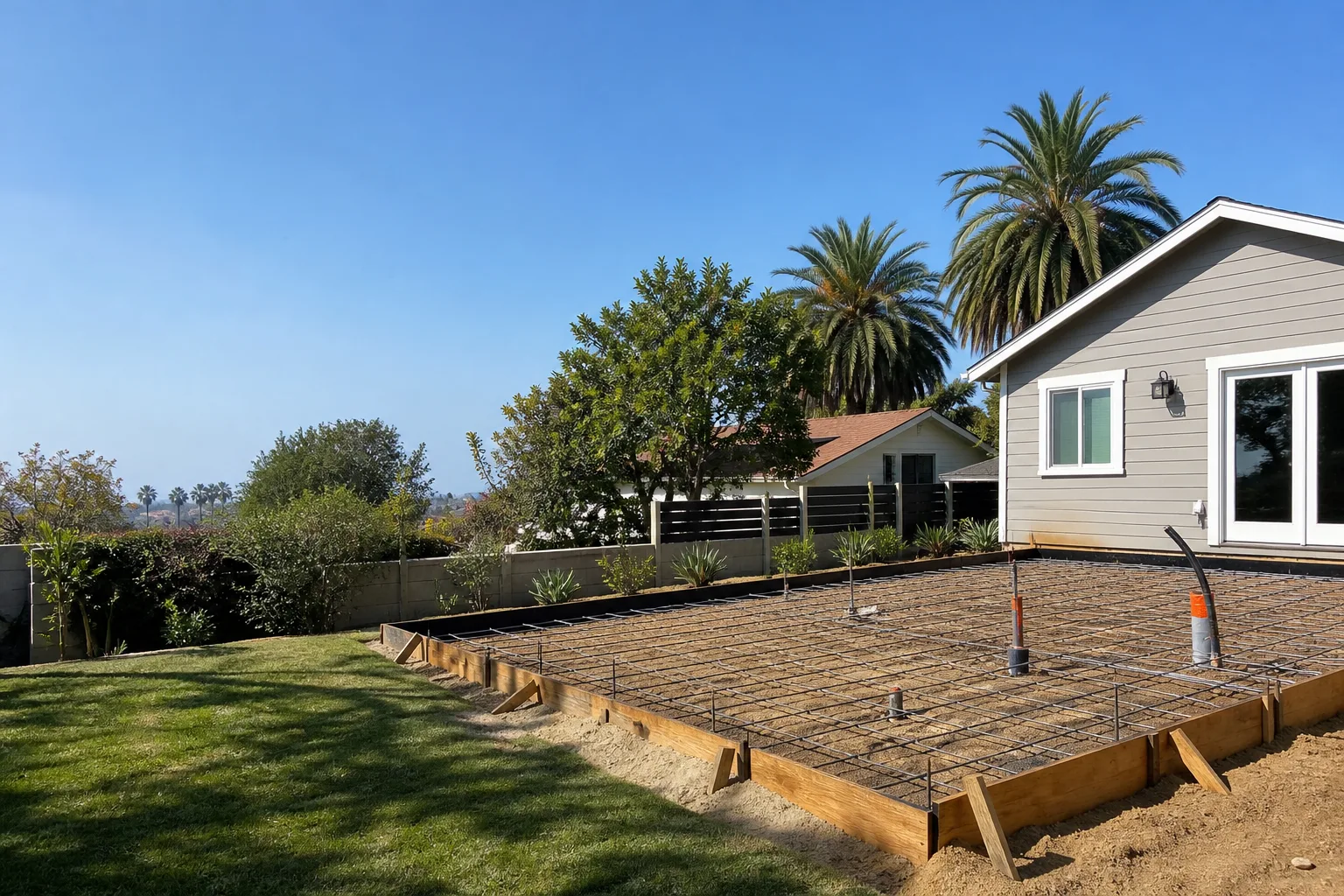
Site prep and utilities before James Hardie siding or cladding installation in Sacramento typically runs $1,800 to $4,600 depending on access, soil condition, and whether we’re relocating existing utility lines. Most pre-installation prep on a standard single-story Sacramento lot wraps in one to two working days, and we stock the common drainage, grading, and utility-stub materials on our trucks so there’s no second trip for parts. The way owners usually discover this phase matters is after the fact: water pooling at the foundation, a downspout dumping against the wall behind the new Hardie lap siding, or an electrical panel that ended up buried behind a planned finished wall because nobody mapped it first.
Here’s the part nobody puts on the brochure: James Hardie siding itself won’t fail because of bad site prep next week. It fails five to ten years later when the ground against the foundation holds moisture too long, the sprinkler overspray soaks the bottom course every morning, or the dryer vent was framed right behind a Hardie panel with no clearance. Sacramento’s dry summers and wet winters make this a real game, because the soil in much of the region is clay that expands hard when soaked and pulls away from footings when it bakes. Getting prep and utilities right before a single Hardie plank goes up is what separates a cladding job that still looks clean at year eight from one that’s wicking moisture by year three.
Key Takeaways
- Site prep and utility work is priced in writing before we start, same as the siding itself.
- Sacramento clay soil and winter rain make drainage and grading non-negotiable before Hardie installation.
- We stock common drainage, flashing, and utility-stub materials on the truck, so the prep phase doesn’t stretch into a second week.
- Benson ADU Sacramento is an independent contractor. We work with James Hardie products daily but we are not a James Hardie company or affiliate.
Which James Hardie Models This Applies To
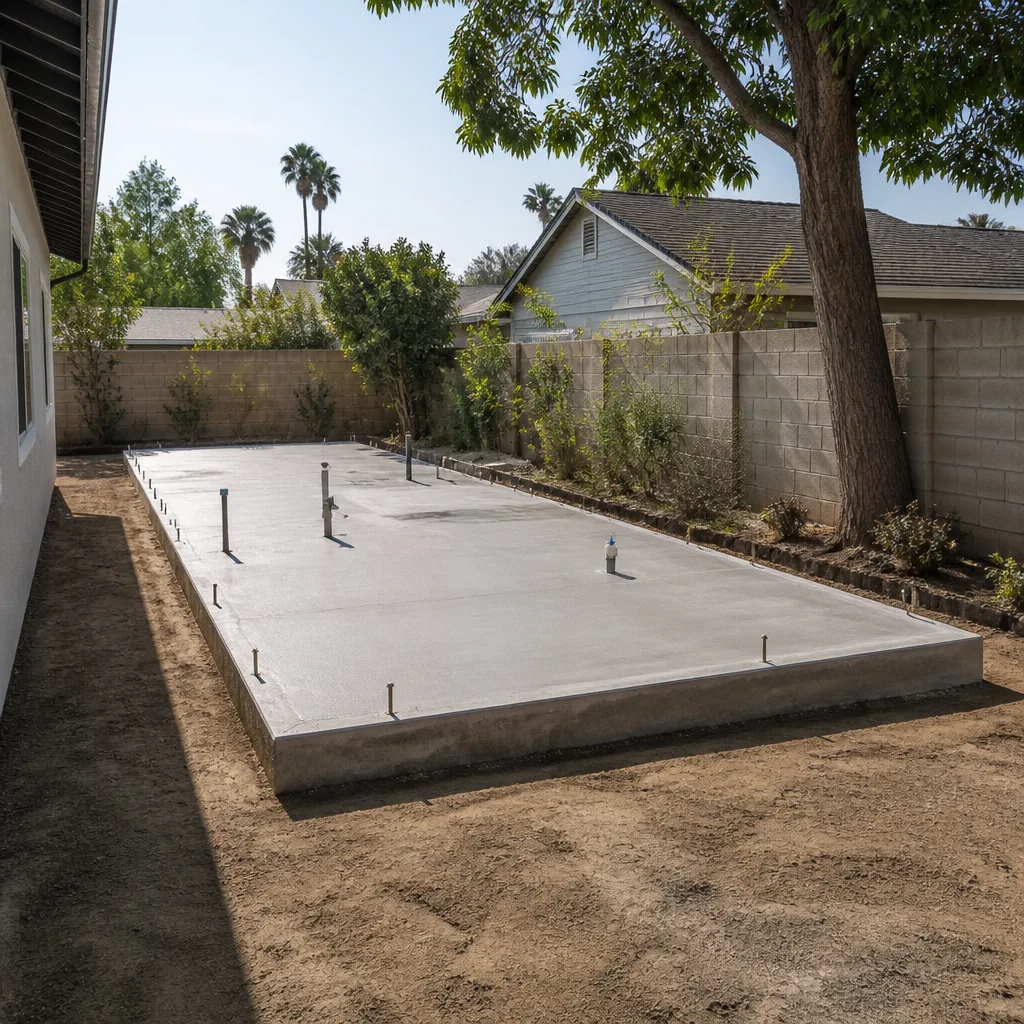
This applies to every James Hardie siding and cladding product line we see on Sacramento homes: HardiePlank lap siding, HardiePanel vertical siding, HardieShingle, HardieTrim boards, and the HardieBacker cement board used behind tile in ADU bathrooms and kitchens. The site prep and utilities phase doesn’t change much by product, but it does change by where the product goes. A HardiePlank lap siding job on an existing home has different prep needs than HardieBacker behind a shower in a new detached ADU, for example. Existing-home exterior work means moving or working around downspouts, hose bibs, exterior outlets, and gas meter lines before the first plank is nailed.
The OEM-versus-aftermarket question doesn’t fully apply here the way it does for a mechanical part, because site prep materials (drainage rock, geotextile fabric, PVC conduit, pressure-treated sill plates, flashing) are commodity products governed by building code, not by James Hardie. What matters is that they’re specced correctly for the Hardie installation methods we’re required to follow. Hardie’s published install specs require minimum clearance between siding and grade (usually 6 inches for lap siding, and more over paved surfaces), a capillary break behind the panels where required, and proper flashing details at every penetration. We treat the Hardie installation manual as the floor, not the ceiling, and in Sacramento we usually go beyond it on drainage because our wet-dry clay cycle punishes shortcuts. If you’re unsure which Hardie product line is on your home, look for the printed product code on the back of an off-cut or check your original contractor documents. The code starts with the product family (LP for lap, PN for panel, SN for shingle), and that tells us everything we need to cross-reference clearances and fastening schedules.
Signs Your James Hardie Site Prep & Utilities Is Failing
- Water staining on the bottom course of siding. This almost always traces back to grade clearance or sprinkler throw. Sacramento irrigation overspray hits the same bottom planks year-round, and once the soil stays damp against the foundation, moisture wicks up into the siding’s bottom edge. The fix is usually re-grading and adjusting spray heads, not replacing the Hardie.
- Mud splash or algae on the first two feet of wall. Sacramento’s winter rain hits bare soil hard if gutters are poorly pitched or missing. Hardie products are moisture-resistant, not submerged-in-mud proof, and constant splashing eventually degrades paint and lets water sneak behind the lap joint.
- Downspouts emptying directly against the foundation. This is utility-adjacent, not strictly siding, but it’s the leading cause of the other symptoms on this list. If a downspout terminates at the base of a Hardie-clad wall instead of flowing into a drain leader or splash block at least 3 feet away, the wall pays for it.
- Exterior outlets, hose bibs, or vents that ended up behind or too close to the siding. Code requires specific clearances around electrical penetrations and vent terminations. When a previous contractor sided over an outlet or boxed in a dryer vent too tight, the area traps moisture and becomes a lint or condensation hazard. We see this regularly in older Sacramento neighborhoods where homes have been re-sided two or three times.
- Cracks in soil or visible gaps at the foundation line. Clay soil in neighborhoods like Pocket, Greenhaven, and Land Park shrinks dramatically in Sacramento’s dry summer months. When the soil pulls away from footings, it changes drainage patterns and can expose the foundation edge below the Hardie clearance line. That’s a grading fix before it becomes a siding problem.
Replacement Cost & What’s Included
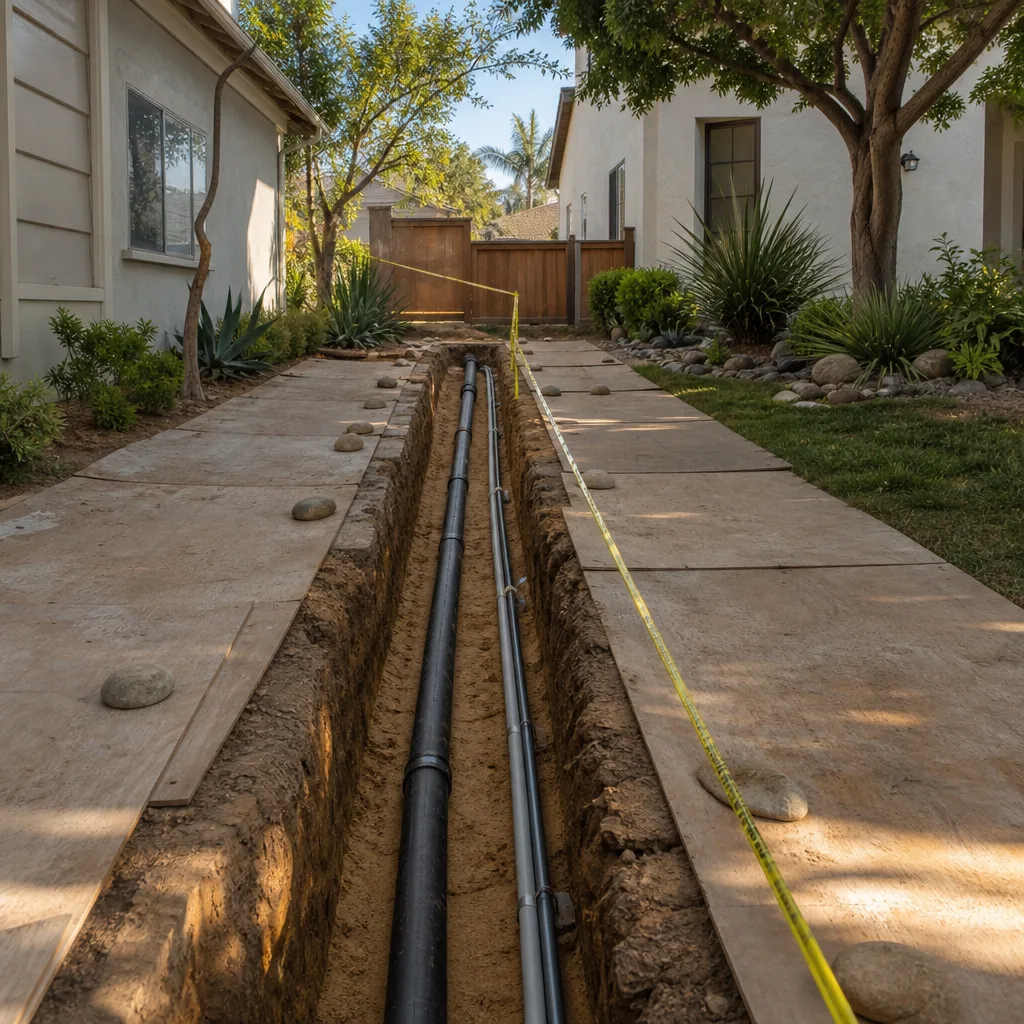
For Sacramento homeowners, full site prep and utilities before a Hardie siding or cladding project generally runs $1,800 to $4,600 installed. The range usually comes down to three things: how much regrading is needed, how many utility penetrations have to be relocated or protected, and whether existing downspouts and drain leaders need replacement. A simple, flat-lot job with nothing to move sits at the low end; a sloped Midtown or East Sacramento lot with a gas line, an electrical service mast, and two downspouts in the way lands at the higher end.
| Line Item | Sacramento Range | What Drives It |
|---|---|---|
| Regrading and drainage correction | $800 – $1,900 | Yard slope, soil condition, drainage rock volume needed |
| Downspout relocation or drain leader install | $300 – $800 | Number of downspouts, access, trenching distance |
| Utility stub relocation (hose bib, outlet, vent) | $250 – $750 each | Proximity to existing lines, wall type, code clearances |
| Flashing and sill prep material | $450 – $1,150 | Linear feet of wall, Hardie product line, penetrations |
Every line gets priced in writing before work starts. No change orders dropped mid-job, no line item that mysteriously doubles. The labor rate includes our background-checked, uniformed crew, and all work is covered by our 365-Day Done Right Promise. If any prep or utility work isn’t right within a year, we return and make it right without billing you again.
DIY or Call Us?
There’s a narrow slice of this work a Sacramento homeowner can handle without calling anyone: clearing vegetation away from the foundation line, adjusting sprinkler heads so they don’t drench the wall, and visually checking that downspouts terminate at least a few feet from the slab. Those are inspection and maintenance items, and you should absolutely do them. The second the job involves moving soil against a foundation, relocating an electrical penetration, gas line, or plumbing stub, or altering drainage patterns, call us. Moving a gas meter chase or an electrical service conduit without knowing Sacramento County and city code details is how you buy yourself a stop-work order or worse. Water is patient, and Hardie siding is only as good as the six inches above grade it’s installed over. We’d rather spend twenty minutes advising you on the phone than five hours un-fixing a YouTube-inspired weekend project. Call (279) 254-1808 if you’re not sure which side of the line your project falls on.
FAQs
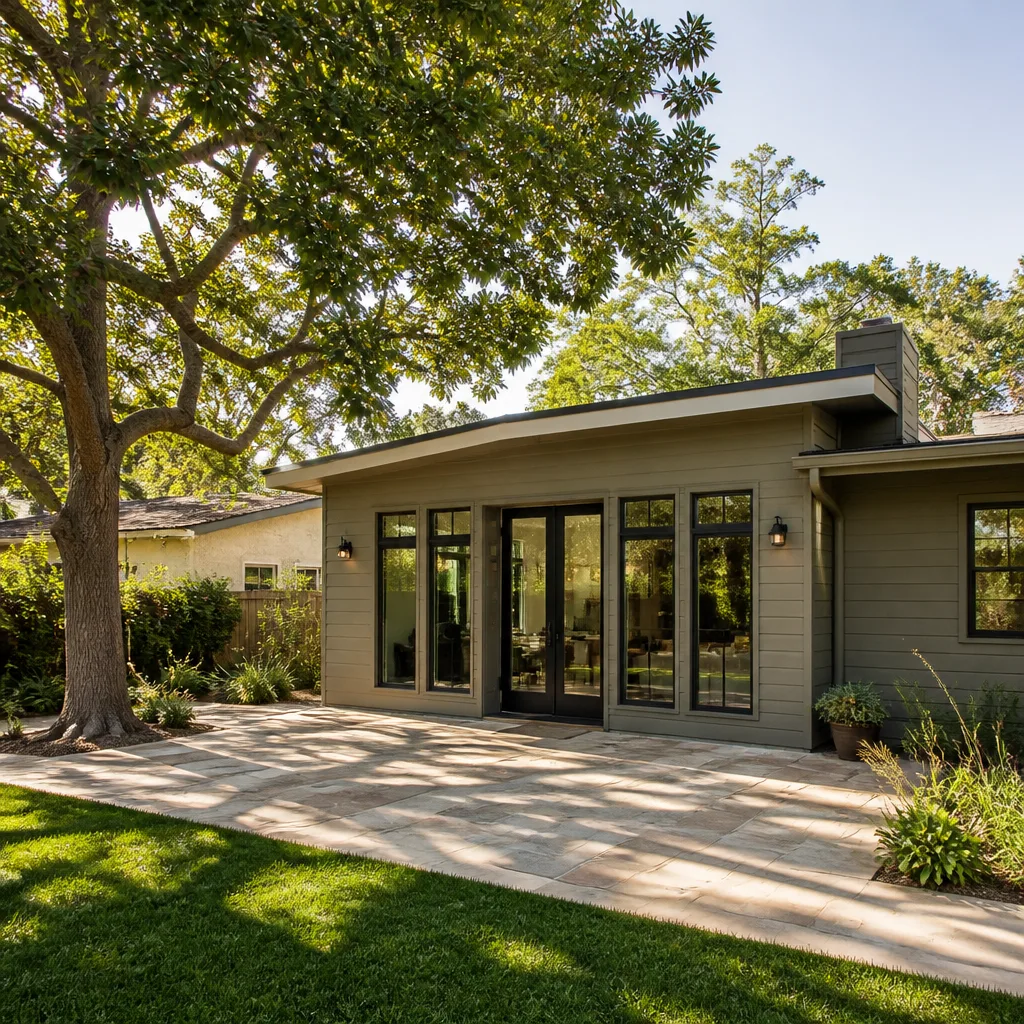
Done right with proper drainage, correct clearance, and quality materials, site prep and utility work should last the full life of the Hardie siding it supports, which in Sacramento’s climate realistically means 20 to 30 years before the paint layer needs another pass. The prep itself, done properly, shouldn’t need revisiting at all. What shortens the lifespan is clay soil shift, sprinkler drift, and downspouts installed by people who treat them like an afterthought. If you want an exact read on your lot, call (279) 254-1808 and we’ll walk it with you.
It can usually be repaired rather than fully replaced. Regrading a flower bed that’s pitched toward the house, swapping a short downspout for a proper drain leader, or shielding a foundation area from sprinkler throw are surgical fixes, not full re-dos. The exception is when a previous contractor buried a utility line or set a panel at the wrong depth and the correction means moving it, which is a bigger but still very doable job. We’ll tell you the smaller fix if the smaller fix is the honest answer.
On a typical single-story Sacramento home, the site prep and utility phase takes one to two working days, sometimes three if we’re relocating a gas line or dealing with a sloped lot that needs heavy regrading. The work happens before siding starts, and we coordinate the whole timeline so the prep crew finishes and the siding crew starts without a gap. You’ll get the schedule in writing as part of the overall project plan.
We stock the common materials on the truck: drainage rock and geotextile fabric, PVC conduit and fittings, downspout drain leaders, flashing rolls, pressure-treated sill stock, and the fasteners coded for James Hardie installation methods. If your project needs something unusual, a specific utility component ordered for city code or a specialty flashing profile, we tell you upfront and order it before we start, so we’re not standing on your lawn waiting for a delivery truck.
Written by Troy Eastman, Owner & Lead Builder, Benson ADU Sacramento at Benson ADU Sacramento, serving Sacramento and nearby areas.